
Healthy bones and joints are essential for maintaining mobility, balance, and an active lifestyle. Whether you are walking, exercising, climbing stairs, or performing everyday activities, your bones and joints provide the support your body needs.
However, as we grow older, bone density may gradually decrease, and joint problems such as stiffness, inflammation, and arthritis may become more common. Poor nutrition, physical inactivity, and certain medical conditions can also affect bone and joint health.
The good news is that a balanced diet can play an important role in supporting stronger bones and healthier joints. Including foods rich in calcium, vitamin D, protein, omega-3 fatty acids, and other essential nutrients can help maintain bone strength and normal joint function.
Understanding the best foods for strong bones and joints can help you make healthier dietary choices and support your long-term mobility.
Why Is Bone and Joint Health Important?
Bones form the framework of the body. They protect important organs, support muscles, store minerals, and help maintain movement.
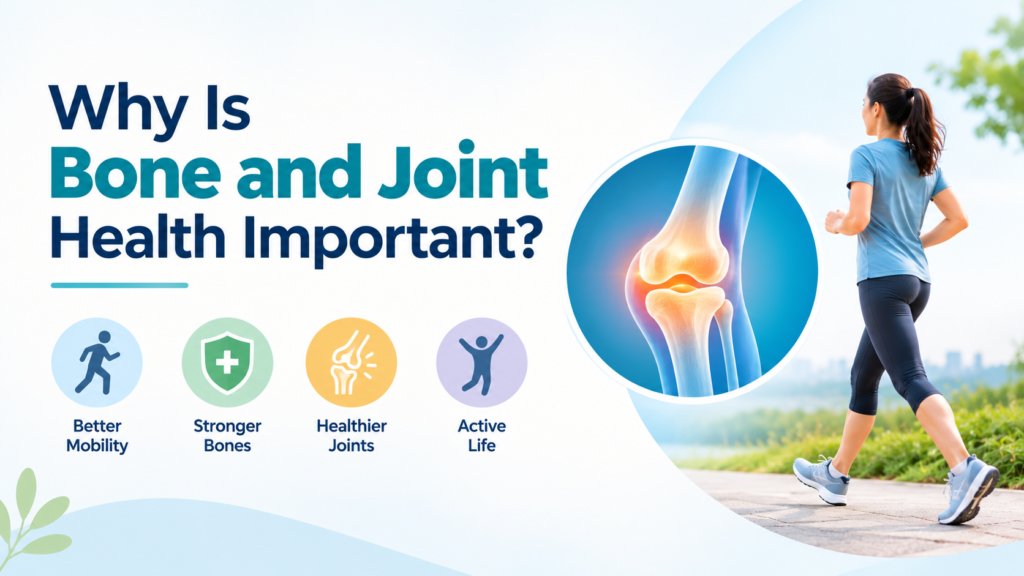
Joints connect two or more bones and allow different parts of the body to move smoothly. Cartilage, ligaments, tendons, and surrounding muscles work together to provide stability and flexibility.
Healthy bones and joints are important for:
- Maintaining proper body movement
- Supporting balance and stability
- Reducing the risk of fractures
- Supporting physical activity
- Maintaining independence as you age
- Performing everyday activities comfortably
As bone density and joint function change over time, proper nutrition, regular exercise, and appropriate medical care become increasingly important.
10 Best Foods for Strong Bones and Joints
Including a variety of nutrient-rich foods in your daily diet can help support bone strength and joint function.
1. Milk and Dairy Products
Milk, curd, cheese, and paneer are important sources of calcium. Calcium is essential for maintaining strong bones and teeth.
Dairy products may also provide protein, phosphorus, and other nutrients that contribute to bone health.
Benefits:
- Support bone mineralization
- Provide calcium for maintaining bone strength
- Supply protein for muscle maintenance
- Help meet daily nutritional requirements
If you are lactose intolerant, lactose-free milk or fortified alternatives may be suitable options.
2. Green Leafy Vegetables
Green leafy vegetables are valuable additions to a balanced diet. Spinach, broccoli, kale, and other leafy vegetables provide nutrients such as vitamin K, magnesium, and calcium in varying amounts.
Vitamin K plays a role in normal bone metabolism, while magnesium contributes to bone structure.
Include these vegetables in your diet:
- Spinach
- Broccoli
- Kale
- Fenugreek leaves
- Amaranth leaves
Some vegetables, including spinach, contain compounds that reduce calcium absorption. Therefore, it is beneficial to consume a variety of calcium sources rather than depending on one vegetable.
3. Fatty Fish
Fatty fish such as salmon, sardines, and mackerel provide omega-3 fatty acids. Some varieties also contain vitamin D, which helps the body absorb calcium.
Omega-3 fatty acids support overall health and may help manage certain inflammatory processes in the body.
Benefits:
- Provide omega-3 fatty acids
- Support overall joint health
- Some varieties supply vitamin D
- Provide high-quality protein
People who eat fish can include suitable portions as part of a balanced diet.
4. Eggs
Eggs are a convenient source of high-quality protein. They also contain vitamin D, particularly in the yolk, although the amount is relatively small.
Protein is important for maintaining muscles that support and stabilize the joints.
Benefits:
- Provide high-quality protein
- Supply small amounts of vitamin D
- Support muscle maintenance
- Contribute to a balanced diet
Including eggs in your regular meals can help improve overall nutritional variety.
5. Nuts and Seeds
Almonds, walnuts, chia seeds, flaxseeds, and sesame seeds provide healthy fats, protein, magnesium, and other nutrients.
Some of these nutrients contribute to bone maintenance and general health.
Good choices include:
- Almonds
- Walnuts
- Sesame seeds
- Chia seeds
- Flaxseeds
- Pumpkin seeds
Walnuts, chia seeds, and flaxseeds are particularly useful plant sources of omega-3 fatty acids.
A small portion of mixed nuts and seeds can be included in breakfast, salads, or snacks.
6. Citrus Fruits
Oranges, lemons, sweet lime, and other citrus fruits provide vitamin C.
Vitamin C is essential for collagen production. Collagen is an important structural protein found in bones, cartilage, tendons, and ligaments.
Benefits:
- Support collagen formation
- Provide antioxidant protection
- Contribute to normal tissue maintenance
- Help meet daily vitamin C requirements
Other vitamin C-rich fruits, such as guava, amla, and kiwi, are also excellent choices.
7. Beans and Lentils
Beans, chickpeas, rajma, moong dal, and other lentils provide plant-based protein, magnesium, and other important nutrients.
Protein supports muscle maintenance, while magnesium contributes to normal bone structure.
Include:
- Chickpeas
- Kidney beans
- Green gram
- Black gram
- Lentils
- Soybeans
These foods are particularly useful for people following vegetarian diets.
8. Fortified Foods
Some foods are fortified with calcium and vitamin D to help improve nutrient intake.
Examples include:
- Fortified milk
- Fortified plant-based milk
- Fortified breakfast cereals
- Selected fortified food products
Check product labels to understand the actual nutrient content, as fortification levels vary between brands.
9. Amla and Other Vitamin C-Rich Foods
Amla is widely consumed in India and is a rich source of vitamin C.
Vitamin C supports collagen formation, which is important for the structure of bones and connective tissues.
Other useful choices include guava, papaya, strawberries, and bell peppers.
Including different fruits and vegetables helps provide a variety of vitamins, minerals, and antioxidants.
10. Whole Grains
Whole grains such as oats, brown rice, whole wheat, and millets provide magnesium, phosphorus, and other nutrients.
These nutrients contribute to normal bone metabolism and overall health.
Good options include:
- Ragi
- Oats
- Brown rice
- Whole wheat
- Bajra
- Jowar
Ragi is particularly useful because it contains calcium and can be incorporated into a variety of Indian meals.
Essential Nutrients for Strong Bones and Healthy Joints
Eating a variety of foods is important because bones and joints require several nutrients to function properly.
1. Calcium
Calcium is one of the most important minerals for bone health. It helps build and maintain bone strength.
Food sources:
- Milk
- Curd
- Paneer
- Ragi
- Sesame seeds
- Calcium-fortified foods
2. Vitamin D
Vitamin D helps the body absorb calcium and supports normal bone development and maintenance.
Food sources:
- Fatty fish
- Egg yolks
- Fortified milk
- Fortified cereals
Safe sunlight exposure can also help the body produce vitamin D.
3. Protein
Protein is necessary for maintaining muscles and supporting the structure of bones and other tissues.
Food sources:
- Eggs
- Dairy products
- Lentils
- Beans
- Soy products
- Fish
- Lean meat
4. Omega-3 Fatty Acids
Omega-3 fatty acids support general health and may help manage inflammatory processes.
Food sources:
- Walnuts
- Flaxseeds
- Chia seeds
- Fatty fish
5. Magnesium
Magnesium contributes to bone structure and normal muscle function.
Food sources:
- Almonds
- Pumpkin seeds
- Whole grains
- Beans
- Green leafy vegetables
6. Vitamin K
Vitamin K plays a role in normal blood clotting and bone metabolism.
Food sources:
- Spinach
- Broccoli
- Cabbage
- Other green leafy vegetables
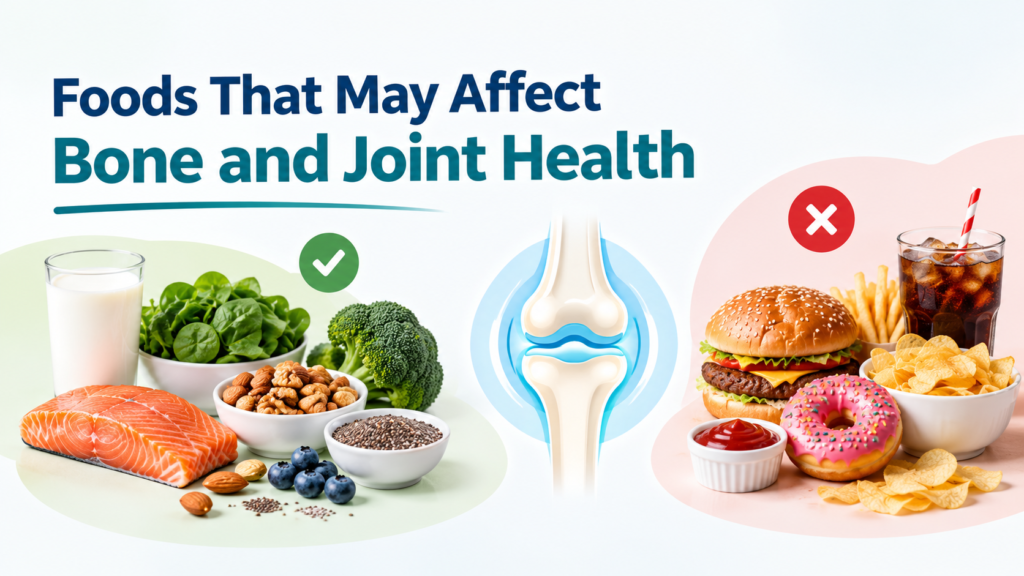
Foods That May Affect Bone and Joint Health
A balanced diet is not only about including healthy foods. It is also important to avoid excessive consumption of certain food items.
1. Excessive Salt
Consuming too much sodium may increase calcium loss through urine. Limiting highly salted and processed foods can support better overall health.
2. Excessive Sugary Drinks
Soft drinks and other sugary beverages can contribute to excess calorie intake and may displace more nutritious drinks such as milk.
3. Highly Processed Foods
Foods containing excessive salt, added sugar, and unhealthy fats should be limited as part of a balanced eating pattern.
4. Excessive Alcohol
Heavy alcohol consumption can negatively affect bone health and increase the risk of falls and fractures.
5. Smoking
Smoking is associated with poorer bone health and can negatively affect bone healing.
Reducing these habits can support overall health and help maintain stronger bones.
How to Maintain Strong Bones and Healthy Joints Naturally
Nutrition is important, but maintaining healthy bones and joints requires a combination of healthy lifestyle habits.
Exercise Regularly
Weight-bearing activities such as walking, dancing, and appropriate strength training can help maintain bone strength.
Choose activities according to your age, fitness level, and joint condition.
Maintain a Healthy Weight
Excess body weight can increase stress on weight-bearing joints such as the knees and hips.
Maintaining a healthy weight may help reduce mechanical stress and support mobility.
Get Adequate Sunlight
Safe sunlight exposure helps the body produce vitamin D. The amount needed varies depending on skin type, location, season, and other factors.
Stay Hydrated
Adequate hydration supports normal body functions and helps maintain general health.
Avoid Smoking
Smoking can negatively affect bone health and healing. Avoiding tobacco is an important step towards better overall health.
Get Regular Health Check-ups
People with risk factors for osteoporosis, previous fractures, or persistent joint pain may benefit from medical evaluation.
Can Food Alone Prevent Arthritis and Osteoporosis?
No. Although a nutritious diet supports bone and joint health, food alone cannot completely prevent conditions such as arthritis or osteoporosis.
Osteoporosis involves reduced bone strength and an increased risk of fractures. Arthritis involves changes or damage affecting joints, depending on the type of arthritis.
Managing these conditions may require:
- Medical evaluation
- Appropriate medication
- Exercise and physiotherapy
- Nutritional improvements
- Lifestyle changes
- Regular monitoring
A balanced diet is an important part of prevention and management, but it should not replace medical treatment when required.
When Should You Consult an Orthopedic Doctor?
Occasional joint discomfort may improve with rest and appropriate care. However, persistent symptoms should not be ignored.
Consider consulting an orthopedic specialist if you experience:
- Persistent joint pain
- Recurrent swelling
- Stiffness that limits movement
- Difficulty walking or climbing stairs
- Frequent fractures
- Reduced joint flexibility
- Bone pain without a clear reason
- Pain that interferes with everyday activities
Sudden severe pain following an injury, inability to bear weight, or suspected fracture requires prompt medical attention.
Early evaluation can help identify the underlying condition and determine the appropriate treatment.
Frequently Asked Questions
1. Which food is best for strong bones?
Milk, curd, paneer, ragi, sesame seeds, leafy vegetables, and fortified foods are useful sources of nutrients that support bone health. A varied diet is more beneficial than relying on a single food.
2. Which fruit is best for bone health?
Amla, oranges, guava, and papaya provide vitamin C, which supports collagen formation. Different fruits provide different nutrients, so variety is important.
3. Does milk make bones stronger?
Milk provides calcium, protein, and other nutrients that support bone health. However, maintaining strong bones also requires adequate vitamin D, physical activity, and a balanced diet.
4. What foods help improve joint health?
Fatty fish, walnuts, flaxseeds, chia seeds, fruits, vegetables, and protein-rich foods can contribute to a balanced diet that supports overall joint health.
5. Is ragi good for bones?
Yes. Ragi is a useful plant-based source of calcium and can contribute to daily calcium intake.
6. Which vitamin is most important for bone health?
Calcium and vitamin D are particularly important. Calcium supports bone structure, while vitamin D helps the body absorb calcium.
7. Can diet help people with arthritis?
A balanced diet can support general health and help maintain a healthy weight, which may reduce stress on weight-bearing joints. However, diet alone cannot cure arthritis or reverse joint damage.
8. Are nuts and seeds good for bones?
Yes. Almonds, walnuts, chia seeds, flaxseeds, and pumpkin seeds provide nutrients such as magnesium, healthy fats, and protein that contribute to overall health.
9. What should I eat to prevent osteoporosis?
Include calcium-rich foods, adequate protein, vitamin D sources, fruits, vegetables, and whole grains. Regular weight-bearing exercise and medical assessment when appropriate are also important.
10. Can exercise improve bone strength?
Yes. Weight-bearing activities and appropriate resistance exercises can help maintain bone strength and muscle function. Exercise should be adapted to individual health and fitness levels.
Conclusion
Strong bones and healthy joints are essential for maintaining mobility, independence, and an active lifestyle. A balanced diet containing calcium, vitamin D, protein, magnesium, vitamin C, and omega-3 fatty acids can help support bone strength and overall joint health.
Including foods such as milk, curd, ragi, green leafy vegetables, fatty fish, nuts, seeds, fruits, and lentils can improve the nutritional quality of your daily meals.
However, nutrition is only one part of maintaining healthy bones and joints. Regular exercise, healthy body weight, adequate sunlight exposure, and timely medical evaluation are equally important.
If you experience persistent bone or joint pain, stiffness, or difficulty moving, consult an orthopedic specialist to identify the cause and discuss appropriate treatment.
Expert Orthopedic Care in Lucknow
Dr. (Gp. Capt) Sandeep Gupta
Director, Orthopedics & Joint Replacement
Tender Palm Super Specialty Hospital, Lucknow
With more than 26 years of orthopedic experience, Dr. (Gp. Capt) Sandeep Gupta provides orthopedic evaluation and care for patients experiencing bone, joint, and mobility-related problems.
Hospital Address: OPD No. 17, Tender Palm Super Specialty Hospital, Amar Shaheed Path, Near Ekana International Cricket Stadium Road, Sector-7, Gomti Nagar, Lucknow, Uttar Pradesh 226002
Phone: 9380677777
For persistent bone or joint problems, seek professional medical advice and understand the treatment options appropriate for your condition.